The Human Imperative: Why Psychologically-Informed Executive Coaching is the Edge Leaders Need in 2026
The corporate landscape of 2026 is defined by rapid technological shifts, but for those in senior management, the true challenges remain profoundly human. For leaders, and particularly those within the LGBTQ+ community, the pressure to perform often collides with systemic pressures and personal histories. As we move away from the buzzword-heavy "hustle culture" of previous decades, a new standard has emerged: depth-oriented leadership development.
In an era where AI can manage your calendar and draft your emails, it cannot hold space for the complexities of internalised shame and leadership performance. True excellence in 2026 isn’t about more data - it’s about more humanity.
Beyond Imposter Syndrome: When Self-Doubt is a Survival Strategy
"Imposter Syndrome" has become a corporate buzzword, but the standard advice, just "believe in yourself", often feels incredibly thin when you're in the thick of it. Research in psychological health suggests that chronic self-doubt can function as an adaptive survival style, a protective mechanism designed to keep us small, and therefore "safe," from the risks of visibility. This means your anxiety isn't a flaw; it’s outdated software. Coaching provides a space to move beyond the surface-level symptoms and explore the origins of this powerful narrative. By understanding the "why" behind the doubt, you can begin to build a new relationship with your achievements.
Finding Your Voice: Stepping into Executive Presence Without Losing Yourself
"Work on your presence."
If you’ve ever received this feedback, you know how vague and frustrating it can be. It often feels like an instruction to trade who you are for a cookie-cutter corporate persona, to be louder, more rigid, or simply less you.
For high-achieving professionals, especially those who already navigate complex identity expectations, this feedback can feel like an invitation to compromise. It pressures you to adopt an outdated leadership mould, reinforcing the idea that your authentic self is not "executive material."
The Cost of People Pleasing: Why Saying 'Yes' is a Form of Self-Neglect
When you receive a request, your instant reflex is to say "yes." You are the reliable colleague, the indispensable team member, the supportive friend. This trait is often praised - and it feels good to be needed. Yet, beneath the veneer of helpfulness, a quiet exhaustion is setting in. You’re sacrificing your energy, your time, and eventually, your sense of self, all for the temporary comfort of external approval.
The Career Crossroads: When Feeling "Stuck" Is Actually an Invitation to Design Your Next Chapter
You’ve achieved a solid level of success. You’ve put in the hours, earned the title, and built a reputation. But lately, when you look ahead, the path is blurry. You feel stuck, or worse, adrift. You know you should want the next promotion, the next contract, the next deal, but the thought of it doesn't spark any excitement.
It's tempting to think this feeling of stagnation is a sign of personal failure or a lack of direction. But for high-achieving professionals, this feeling of being stuck is often the exact opposite: it’s an internal alarm signalling a profound opportunity.
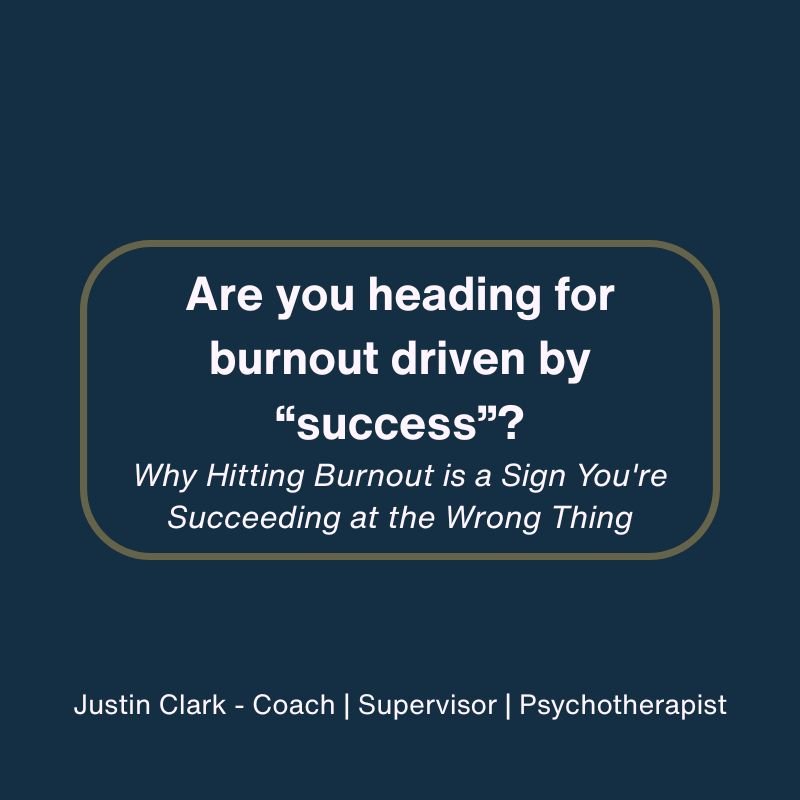
Are you heading for burnout driven by “success”?
You open your laptop, stare at the same inbox you closed just a few hours ago, and feel a wave of exhaustion hit you. You’re a high-achiever. You’re accomplished. By all external measures, you are a success story. Yet, you feel like you’re running on empty, constantly looking over your shoulder, and wondering how much longer you can keep up the pace.
You’re not failing. You’ve just hit the "successful" burnout, a condition common among high-performing professionals.